Clinic Management Software: Features Every Pet Clinic Needs
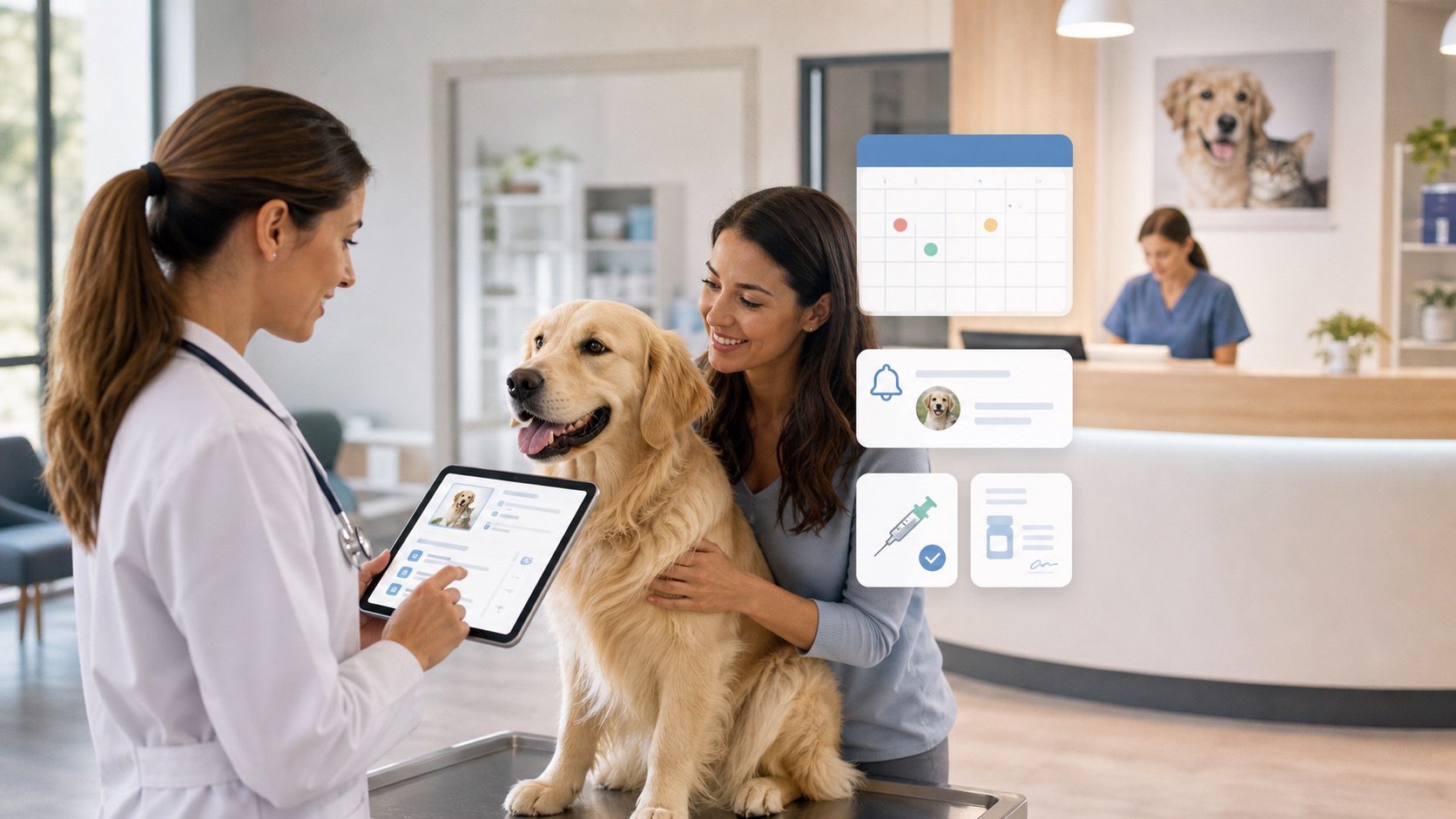
An OREO-based guide to the pet clinic software features that improve appointments, vaccination reminders, prescriptions, billing, and partner clinic workflows.
Pet clinics run on trust, timing, and memory. A pet owner may not remember the exact vaccination date. A receptionist may not know the previous treatment history. A doctor may need old notes quickly during a busy evening. A marketplace partner may need proof that a referred customer actually visited the clinic. When these details live in paper registers and scattered chats, care becomes harder than it should be.
The attention economy affects clinics too. Pet owners expect fast replies, clear reminders, and simple booking. They compare options quickly. If a clinic misses a call or forgets a reminder, the owner may go elsewhere. Clinic management software helps the clinic protect attention around every pet, every owner, and every follow-up.
OREO: Opinion
Our opinion is that pet clinic management software should be designed around repeat care, not only appointment booking.
Many systems treat a clinic visit as a one-time transaction. Pet care is different. Pets need vaccination schedules, follow-up visits, grooming cycles, diet advice, medical history, prescriptions, and sometimes long-term treatment plans. A good system should help the clinic build a relationship with the pet owner over time.
The best pet clinic software should answer these questions instantly:
- Who is the pet owner?
- What pet is being treated?
- What happened in previous visits?
- Which vaccination or treatment is due next?
- What did the doctor prescribe?
- Has the bill been paid?
- Is there a partner referral or QR check-in involved?
If the software answers these questions without friction, it becomes part of the clinic's care quality.
OREO: Reason
The reason pet clinics need specialized workflows is that veterinary care has more context than a simple appointment calendar. A doctor does not treat an anonymous slot at 5:30 PM. The doctor treats a pet with age, breed, allergies, vaccination history, previous symptoms, owner preferences, and sometimes anxiety or behavioral notes.
Manual records slow this down. Registers are hard to search. WhatsApp chats are not structured. Billing software does not understand vaccinations. A generic appointment tool does not maintain medical history.
Pet clinic software brings these moving parts into one place. It reduces front-desk pressure, helps doctors make faster decisions, improves owner communication, and creates a reliable database for repeat visits.
OREO: Example
Imagine a pet clinic that receives 30 to 50 visits a day. In the manual workflow, the owner calls to ask when the next vaccination is due. The receptionist searches a register. The doctor asks for the previous prescription. The owner scrolls through photos on WhatsApp. Billing happens separately. At the end of the day, the clinic owner has no clean report of appointments, revenue, new pets, repeat visits, or missed follow-ups.
Now imagine a digital workflow. The pet owner is searched by phone number. The pet profile opens with breed, age, weight, allergies, vaccination records, and previous notes. The doctor adds symptoms, diagnosis, prescription, and follow-up date. The system sends a reminder before the next vaccination. Billing is linked to the visit. The owner receives a clear message after the appointment.
For a partner clinic model, a QR scanner can connect the visit to a referral source. If a pet-care platform sends a customer to a clinic, the QR check-in confirms the visit, records the partner flow, and helps both sides measure the collaboration.
OREO: Opinion Reinforced
Pet clinic software should not feel like hospital ERP forced onto a smaller clinic. It should be light enough for reception staff, detailed enough for doctors, and clear enough for owners.
The clinic should start with the features that reduce daily friction:
- Appointment scheduling
- Pet and owner profiles
- Visit history
- Vaccination reminders
- Prescription records
- Billing and payment status
- WhatsApp communication
- Doctor and staff access
Once the clinic is comfortable, it can add reports, inventory, lab records, partner referrals, loyalty programs, and multi-branch dashboards.
Must-Have Features for Pet Clinics
1. Pet and Owner Profiles
Every pet should have a profile connected to an owner. Store name, species, breed, age, gender, weight, allergies, vaccination history, and important notes. The owner profile should include phone, address, alternate contact, and communication preferences.
2. Appointment Calendar
The calendar should show doctor availability, walk-ins, booked slots, cancelled visits, and pending confirmations. A clinic should be able to create appointments quickly from calls or WhatsApp enquiries.
3. Medical History
Doctors need previous symptoms, diagnosis, treatment, prescription, and follow-up notes. This is where software improves care quality. Repeat visits become more informed and less dependent on memory.
4. Vaccination and Follow-Up Reminders
This is one of the strongest conversion features. Automated reminders bring pet owners back on time and improve health outcomes. The reminder can be sent through WhatsApp or SMS depending on clinic preference.
5. Digital Prescriptions
A digital prescription reduces confusion. It can include medicine, dosage, frequency, duration, instructions, and next visit date. It also becomes part of the pet record.
6. Billing and Payments
Link billing to visits. Track consultation fees, medicines, procedures, grooming, products, discounts, and payment status. Owners should be able to see daily revenue and pending payments.
7. QR Scanner for Partner Clinics
If the clinic collaborates with pet-care platforms, groomers, shelters, or partner businesses, QR workflows can verify visits and referrals. This is especially useful for marketplace models.
Reports Clinic Owners Should Track
Pet clinics should not only digitize records. They should learn from them. Useful reports include:
- Appointments per day
- New pets vs repeat pets
- Vaccinations due this week
- Revenue by service
- Doctor-wise appointments
- Missed follow-ups
- Partner referrals
- Top services requested
These reports help owners plan staff, stock, campaigns, and partnerships.
Final Takeaway
Pet clinic management software is not just an admin tool. It is a care continuity system. It helps the clinic remember better, remind faster, serve owners more professionally, and build repeat trust.
In the attention economy, pet owners reward clinics that feel organized and responsive. The clinic that knows the pet, remembers the history, and follows up on time will feel more trustworthy than the clinic that asks the owner to explain everything again.